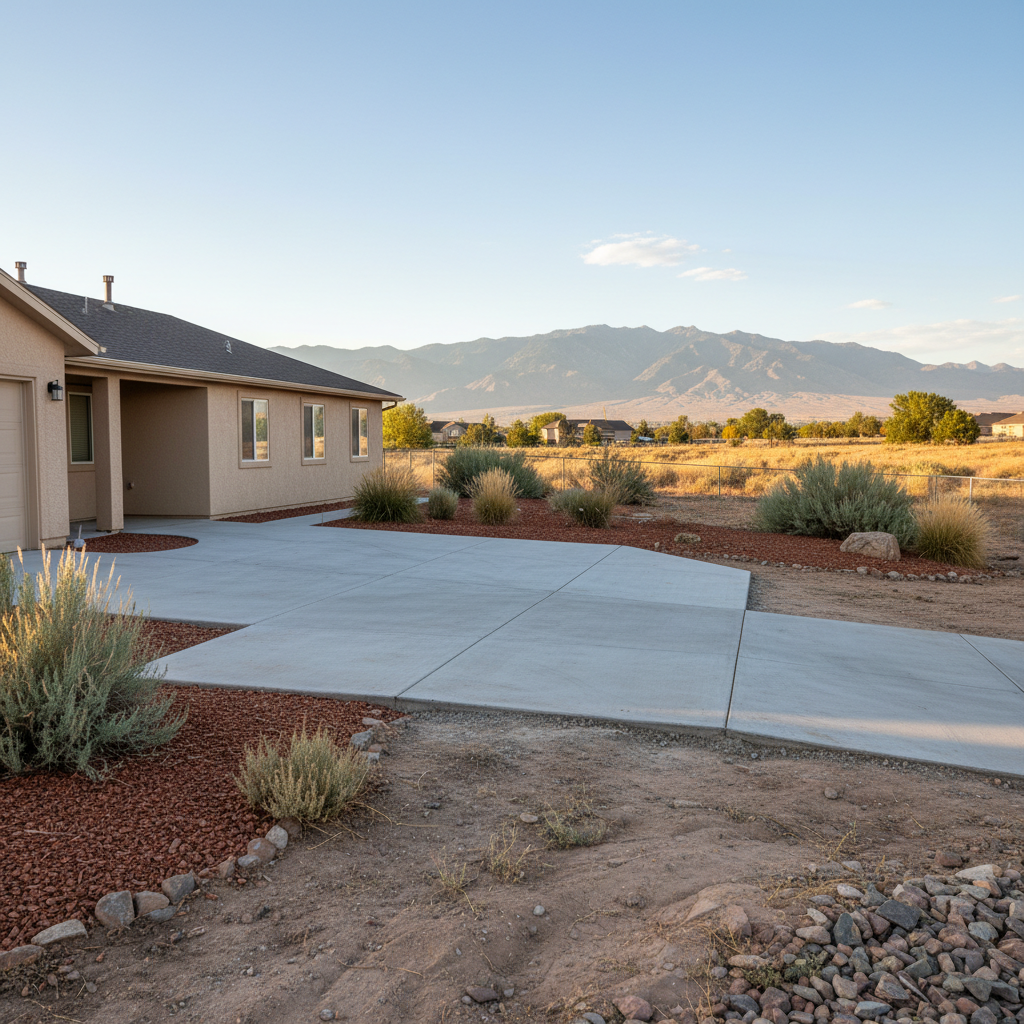
When to Schedule Concrete Repairs in Riverton
Got cracks in your driveway? Or maybe your patio's seen better days? You're probably wondering when the best time to get those fixed actually is. Here in Riverton, our unique climate means timing isn't just a suggestion; it's absolutely critical if you want a repair that actually lasts. You can't just pour concrete whenever you feel like it and expect it to cure right and hold up to our crazy Utah weather, can you?
Generally, the sweet spot for most concrete repair work is spring, late summer, and early fall. Why then? Because you need consistent temperatures, ideally between 50 and 80 degrees Fahrenheit, for the concrete to cure correctly. If it's too hot, the water in the mix evaporates way too fast, which leads to weak concrete and more cracking. And if it's too cold, the concrete cures too slowly, or even worse, it freezes before it gains strength – that's a recipe for disaster.
I've seen folks try to push repairs into late fall or early winter, especially around the older homes near Riverton City Park. It's tempting to get it done before the snow flies. But if those nighttime temperatures drop below freezing, you're just asking for trouble. That concrete won't gain the strength it needs, and you'll likely be looking at re-doing the job sooner than you think. Honestly, save yourself the headache and just wait for better weather.
Weather Conditions That Affect Concrete Work
It's not just about temperature, though that's a big one. There are a few other weather factors I always keep an eye on:
- Moisture: Rain is a big no-no for fresh concrete. It can wash away the cement paste, weaken the surface, and really mess with the water-cement ratio, which is super important for strength. If rain is in the forecast, we'll reschedule. It's just not worth the risk.
- Humidity: High humidity can slow down the curing process. On the flip side, very low humidity can speed it up too much, which often leads to surface cracking. We're usually pretty dry here in Riverton, so we often have to take steps to keep the concrete from drying out too fast, especially on a sunny day.
- Wind: Strong winds can also accelerate surface drying. And, you guessed it, that can lead to cracking. Think of it like a blow dryer on your concrete. Sometimes we'll use windbreaks or apply special curing compounds to help mitigate this.
- Sunlight: Direct, intense sunlight can heat the concrete too rapidly and cause premature drying. We might schedule pours for earlier in the morning or use shading if it's a particularly hot, sunny day.
When you call Charis Concrete Solutions, we're not just looking at your cracked slab; we're looking at the forecast too. We want to make sure the conditions are right for a repair that's going to stand the test of time.
Protecting Your Concrete Investment Year-Round
Once your concrete is repaired and looking good, you want to keep it that way, right? Here's how you can protect your investment through our hot summers and snowy winters:
- Seal it: This is probably the most important thing you can do. A good quality concrete sealer protects against moisture penetration, those nasty freeze-thaw cycles, and even oil stains. I recommend re-sealing every 2-5 years, depending on traffic and the type of sealer you use. It's like sunscreen for your concrete, really.
- Mind the de-icers: Be careful with de-icing salts in winter. Many common de-icers, especially those containing ammonium nitrates or sulfates, can severely damage concrete, causing spalling and deterioration. Stick to sand for traction or use calcium chloride-based products sparingly. Better yet, just shovel early and often.
- Clean it regularly: Sweep off dirt and debris. If you spill something, clean it up quickly. Pressure washing can be okay, but don't get too aggressive with the pressure, especially on older or more delicate surfaces.
- Address drainage: Make sure water drains away from your concrete slabs, not towards them. Standing water is a concrete killer, especially when it freezes and thaws. If you've got poor drainage around a patio or driveway, that's something to fix alongside any concrete repairs.
- Watch for tree roots: If you've got big trees, their roots can wreak havoc on concrete over time. Keep an eye on any lifting or cracking near large trees and consider root barriers if it's a recurring problem.
Look, concrete is tough, but it's not indestructible. Taking a few simple steps and making sure your repairs are done at the right time by people who know what they're doing, like us at Charis Concrete Solutions, will help your concrete last for decades. Don't hesitate to give us a call if you've got questions or need a quote.