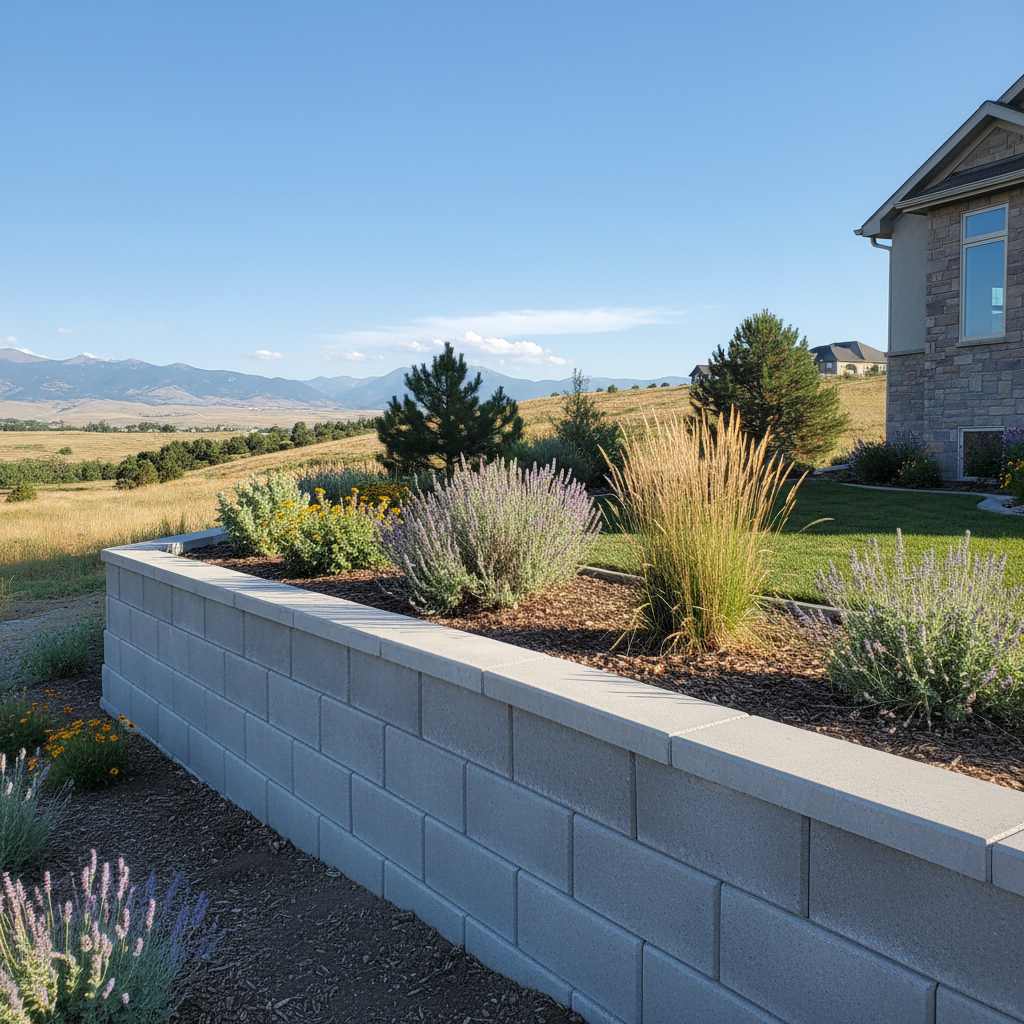
So, you've got a concrete retaining wall, right? Maybe it's holding back a hillside in your backyard, or it's helping create a nice, level patio. Sometimes, it's just there to boost your property's curb appeal. Whatever its job, that wall is a big investment, and it's working hard. Here in Riverton, with our scorching summers, bitter winters, and that totally unpredictable spring thaw, those walls take a beating. How do you make sure yours sticks around for the long haul? Let's talk about keeping it in tip-top shape.
Regular Check-Ups: Your Wall's Annual Physical
Honestly, think of your retaining wall like it's alive – it needs a check-up now and then. I always tell folks to give it a good look-over at least once a year. Spring is usually best, after the snow melts and before everything gets all overgrown. Walk the whole length of the wall, both top and bottom. What should you be looking for?
- Cracks: Those tiny hairline cracks? Usually just surface stuff, no biggie. But if you see cracks wider than a credit card, or ones running straight across or in a stair-step pattern, that's a problem.
- Bulging or Leaning: Is any part of the wall pushing out or tilting? Step back and really look at it from different angles. Even a slight lean can point to a serious issue with the soil pressure behind it.
- Drainage Issues: Look for water pooling at the wall's base or those white mineral streaks (efflorescence) on its face. This means water isn't draining right, and water is concrete's worst enemy.
- Erosion: Is the soil at the base washing away? Or is the soil at the top eroding over the wall's edge? This can actually dig out the wall's foundation or put too much weight on it.
- Vegetation: Got plants growing out of cracks or between segments? Roots are incredibly destructive; they can pry concrete apart over time.
Simple Maintenance to Extend Your Wall's Life
Most of what you need to do to keep your retaining wall happy isn't brain surgery. It's really just about being proactive and fixing small things before they turn into huge, expensive headaches.
- Keep it Clean: Wash your wall every so often to get rid of dirt, grime, and any moss or algae. A pressure washer on a low setting, or even just a hose and a stiff brush, can work wonders. Plus, cleaning helps you spot problems you might otherwise miss.
- Manage Drainage: This is probably the single most important thing you can do, full stop. Make sure any weep holes or drainage pipes are clear of gunk. If you see water pooling, maybe add a French drain or improve the grading around the wall to send water away. Our heavy spring runoff from the mountains means a ton of water can soak into the soil, putting immense pressure on these walls. Good drainage isn't optional here in Utah.
- Control Vegetation: Trim back any bushes or trees that are too close to the wall. Pull weeds that pop up in cracks. If you've got big trees nearby, their roots can be silently destroying things.
- Seal it Up: Every few years, especially if your wall gets a lot of weather exposure, think about putting on a good quality concrete sealer. This helps protect the surface from water getting in, those nasty freeze-thaw cycles, and just general wear. It's like sunscreen for your wall, really.
- Backfill Maintenance: Check that the soil behind the wall is graded correctly so water flows away from it, not towards it. If you have a terraced garden, make sure the upper levels aren't constantly waterlogged.
When to Call in the Pros (Like Charis Concrete Solutions)
While some maintenance is definitely DIY-friendly, there are times you absolutely need to bring in someone with experience. Don't wait until the wall is about to fall down – that's when repairs get super complicated and costly. Here's when you should pick up the phone:
- Significant Cracks: Like I said, if cracks are wide, long, or show a distinct pattern (that stair-stepping thing), it's time for an expert's opinion. These often mean the structure is moving.
- Bulging or Leaning: Any noticeable shift in the wall's alignment is a serious structural issue. This means the soil behind it is pushing too hard, or the foundation is failing.
- Foundation Exposure: If erosion is exposing the base of your wall, it's losing its footing. You need to fix this fast.
- Water Seepage Through Cracks: If you see water actively flowing or seeping through cracks in the wall, it means the internal drainage system (if it has one) isn't working, or the wall itself is compromised.
- Sudden Changes: If you notice a change in your wall after a heavy rainstorm, an earthquake (yes, even here in Riverton, we get those little tremors!), or a particularly harsh winter, don't just ignore it.
- Any Doubt: Honestly, if you're looking at your wall and just have a gut feeling that something isn't right, call someone. It's way better to get it checked early than to deal with a full wall failure later. At Charis Concrete Solutions, we've seen it all, from minor shifts to walls practically collapsing. This is especially true in older neighborhoods where walls might be decades old and the original drainage systems are failing. We can assess the situation and give you an honest opinion on what needs to happen.
Your concrete retaining wall is built to last for decades, but it can't do it all by itself. A little bit of attention and stepping in at the right time can save you a ton of headache and money later on. Keep an eye on it, fix small problems, and don't hesitate to call a professional when you're out of your depth.