Why do concrete sidewalks crack, and can it be prevented?
Cracks are a super common sight in concrete sidewalks, and honestly, you can't really stop them completely over time. Concrete naturally expands and contracts when temperatures change – just think about our scorching Riverton summers and then those bitter cold winters. This constant movement really stresses the slab. Tree roots are another huge problem around here, especially with some of the older, more established trees you see in neighborhoods, like the one right by Riverton City Park. They push up from underneath, causing some serious upheaval.
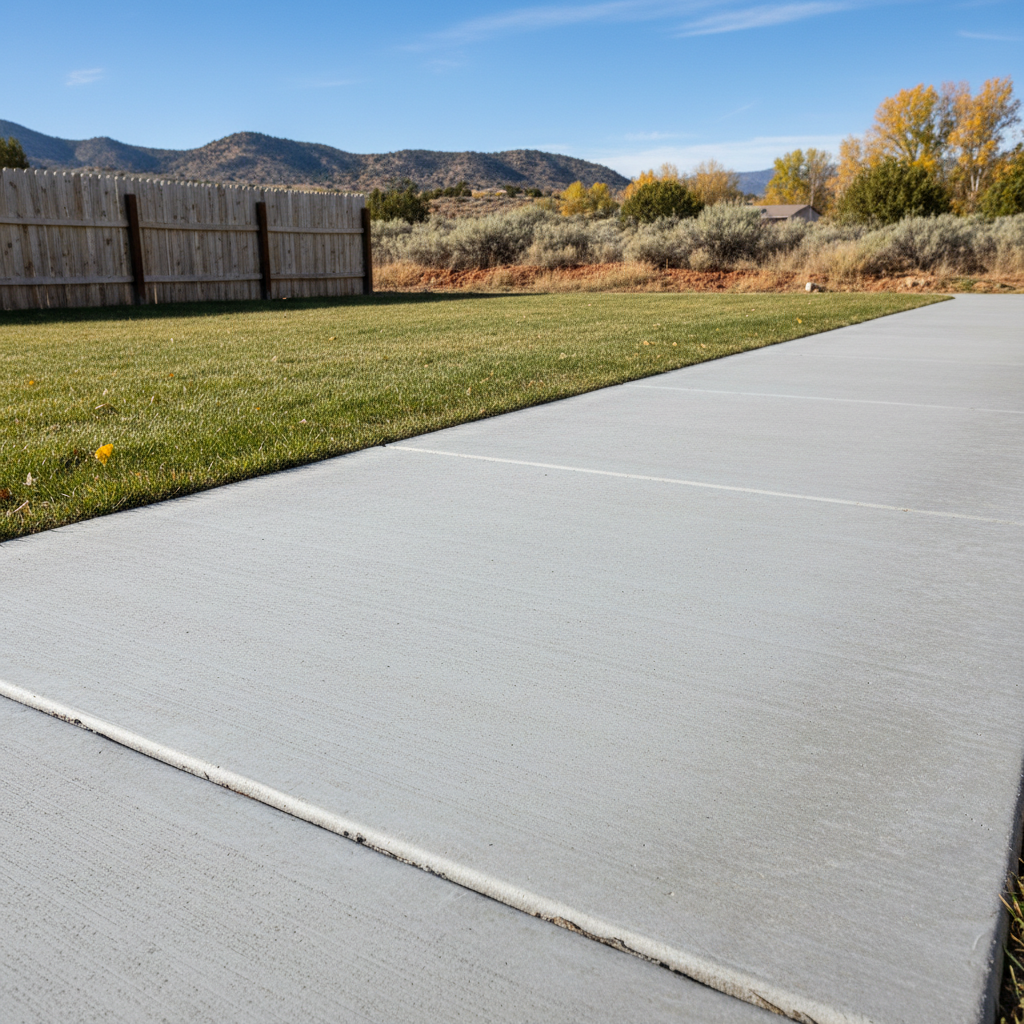
The good news? You can definitely keep cracking to a minimum. Proper installation is absolutely crucial. That means a well-prepared sub-base (that's the ground underneath, by the way), the right concrete mix, and, most importantly, control joints placed exactly where they need to be. These aren't cracks; they're intentional cuts that give the concrete a specific spot to crack in a controlled, much less noticeable way. If your sidewalk doesn't have enough control joints, you're practically asking for random, ugly cracks to show up.
How long should a concrete sidewalk last in Riverton?
A concrete sidewalk that's been installed and maintained correctly should easily last you a good 20 to 30 years, maybe even longer. I've actually seen some sidewalks that are 40+ years old and still holding up, though they definitely look their age. The lifespan really comes down to a few things: how good the original installation was (again, that sub-base and mix really matter), how much foot traffic it gets, and how well you take care of it. Here in Riverton, our freeze-thaw cycles can be pretty brutal on concrete, so sealing it properly every few years can really stretch its life by keeping water from seeping in and causing damage.
What's the difference between repair and replacement, and which is better?
That's a question I get asked all the time. Repair means we fix specific issues like small cracks, spalling (that's when the surface flakes), or sections that have lifted. Replacement, on the other hand, means we tear out the old concrete and pour brand new stuff. So, which one's better? It totally depends on how bad the damage is.
If you've just got a few hairline cracks or some minor surface problems, repair might be a budget-friendly choice. We can fill cracks, patch up those spalled areas, or even use concrete lifting techniques (like mudjacking or polyjacking) for sections that have sunk or risen a bit. This is often a great option if the concrete underneath is still in good shape.
However, if your sidewalk is full of deep, wide cracks, has major heaving from tree roots, or is crumbling in a bunch of spots, replacement is usually the smarter long-term answer. Trying to patch up severely damaged concrete is kind of like putting a band-aid on a broken bone – it won't last, and you'll just end up spending more money later. When I come out for an estimate, I'll give you my honest opinion about which path makes the most sense for your specific situation.
Do I need a permit to replace or install a new sidewalk in Riverton?
Yes, you absolutely do. For any new concrete sidewalk installation or any big replacement work in Riverton, you'll need to get a permit from Riverton City. This isn't just about bureaucracy; it makes sure the work meets city standards for things like width, thickness, and proper drainage. It also protects you as the homeowner, ensuring the job gets done right and inspected. Don't let any contractor tell you a permit isn't necessary for a full replacement – that's a huge red flag. Charis Concrete Solutions always takes care of the necessary permits for all our projects.
How do I maintain my concrete sidewalk?
Keeping your concrete sidewalk in good shape isn't brain surgery, but a little effort goes a long way. First, keep it clean. Sweep off dirt, leaves, and any other debris regularly. If you get oil stains or other spills, clean them up fast before they really set in. Second, avoid using de-icing salts with ammonium nitrate or ammonium sulfate in the winter; those can be super harsh on concrete and cause spalling. Stick to sand or products that are clearly labeled as concrete-safe.
Third, think about sealing your concrete every 2-3 years. A good quality penetrating sealer will help protect it against moisture getting in, freeze-thaw damage, and staining. It's a relatively cheap way to add years to your sidewalk's life. Finally, keep an eye on those tree roots. If you notice them starting to push up your sidewalk, deal with it early before it becomes a major tripping hazard or means you need a whole section replaced.
What causes those white powdery spots on my concrete?
That white powdery stuff is called efflorescence, and it's pretty common. It happens when water seeps into the concrete, dissolves mineral salts inside the concrete (or in the ground underneath), and then evaporates from the surface, leaving those salts behind as a white residue. It's mostly an aesthetic thing, not usually a structural problem, but it can be annoying.
You can often clean it off with a stiff brush and water, or a mild acid solution (like diluted vinegar, but be careful with acids and always test in an inconspicuous spot first). The best way to stop it is to minimize moisture getting into the concrete in the first place – good drainage around the sidewalk and sealing it regularly helps a lot. If it's a constant problem, it might mean there's a drainage issue nearby that's keeping the concrete constantly damp.
My sidewalk is uneven and a tripping hazard. What are my options?
Uneven sidewalks are a big deal, not just for how they look but for safety. They're a major tripping hazard, and as a homeowner, you could be held responsible if someone gets hurt. You've got a few main options, depending on how bad it is and what caused it:
- Concrete Lifting (Mudjacking/Polyjacking): If a section has simply settled or lifted because of soil movement or tree roots, we can often inject a material (either a cement slurry or polyurethane foam) underneath the slab to raise it back to level. This is usually quicker and less disruptive than a full replacement.
- Grinding: For smaller height differences (usually less than an inch), we can sometimes grind down the higher edge to make a smoother transition. This is a quick fix, but it doesn't actually address why the sidewalk was uneven in the first place.
- Replacement: If the slab is severely cracked, crumbling, or the unevenness is too much for lifting or grinding, then removing and replacing that section is the safest and most permanent solution.
When I come out, I'll check out the situation and give you the best recommendation for your specific sidewalk. We want to make sure your paths are safe and look good for years to come.